
 David Chen
GPT Image 2 vs Nano Banana 2: Which Engine Should You Route Your Prompts To?
If you're deciding between GPT Image 2 and Google's Nano Banana 2 (Gemini 3.1 Flash Image) in 2026, most guides hit you with a wall of ELO scores and parameter counts. But if you're a designer or marketer trying to ship a campaign, raw specs don't matter. Here is the breakdown that actually matters for production work.
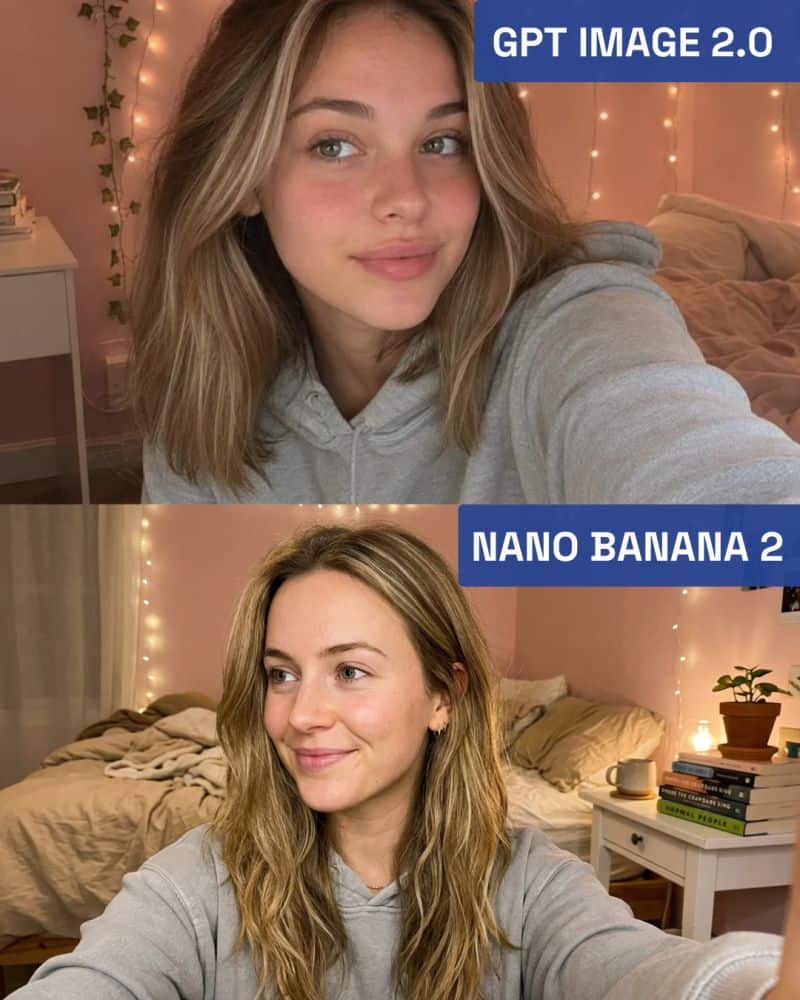
The TL;DR You Actually Need
If you only have 30 seconds to make a decision, here is the cleanest split:
- →Choose GPT Image 2 when your priority is control and precision. If you need flawless text inside your image, structured grids, UI mockups, or you want to edit an image without the AI hallucinating a new face on your subject, this is your surgical scalpel.
- →Choose Nano Banana 2 when your priority is world knowledge, consistency, and speed. If you need a cinematic, photorealistic lifestyle shot of a specific product, want to keep the same character's face consistent across 10 different scenes, or need to generate 500 images for an A/B test in record time, this is your sports car.
Round 1: Text Rendering & Structural Layouts
The scenario: You need an advertising poster with a clear headline, or a UI dashboard mockup that looks like a real app.
The Winner: GPT Image 2
Historically, asking AI to generate text was a guaranteed way to get alien gibberish. GPT Image 2 completely ends this era.
Its text rendering is native-level. Whether it's English, Chinese, Japanese, or Korean, GPT Image 2 nails the spelling, the kerning, and the perspective — even if the text is wrapped around a curved coffee cup. Furthermore, it possesses a "Reasoning Engine." If you ask for a "3x3 grid showing outfit components," GPT Image 2 actually builds a structured, architectural layout.
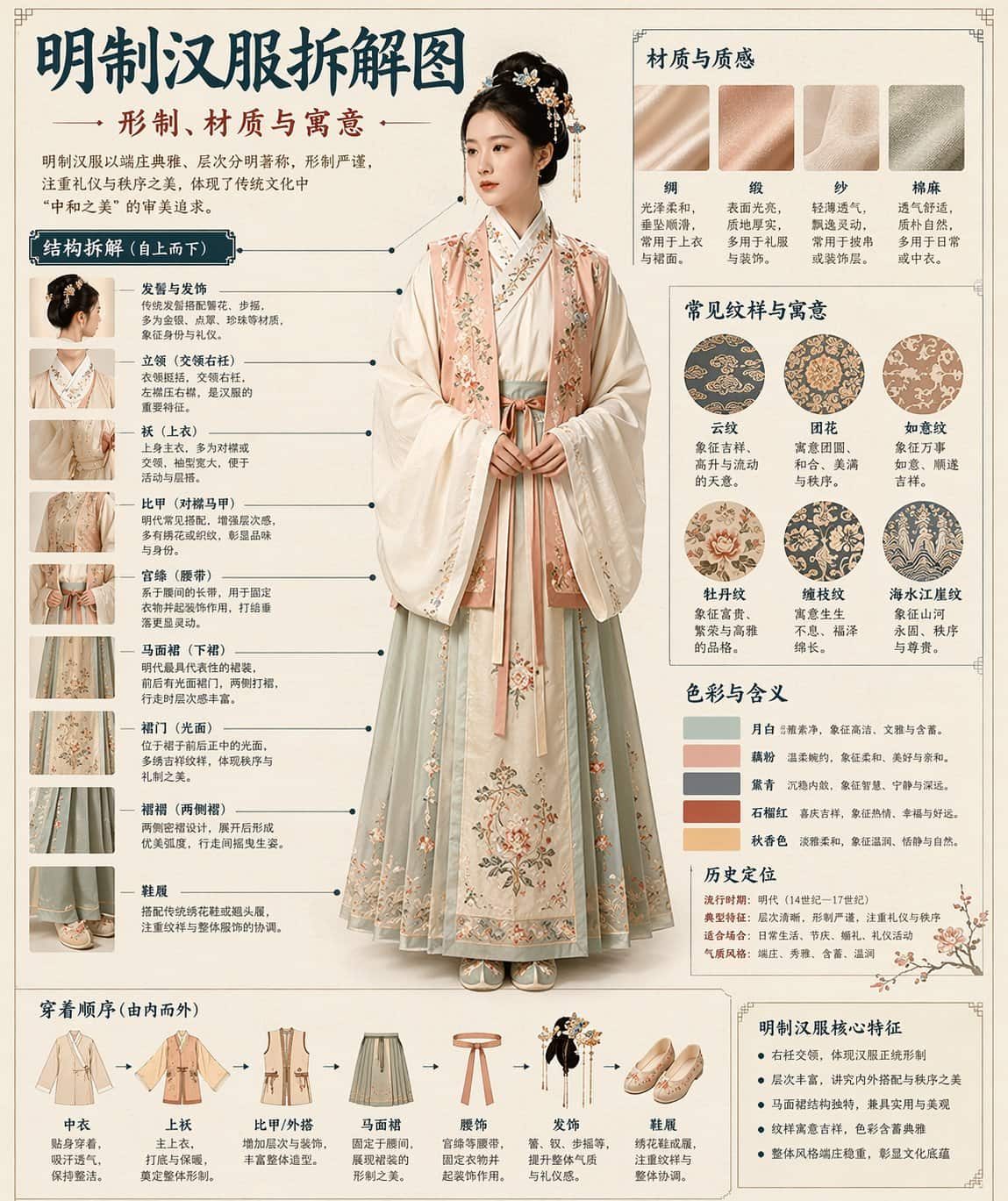
GPT Image 2 effortlessly handles complex, text-heavy UI mockups without the infamous "AI gibberish".
Where Nano Banana 2 Stands
Nano Banana 2 is very capable at rendering short English strings (like a logo or a bold poster title), and it boasts a unique trick: In-Image Text Translation. You can prompt it to translate an existing English sign in an image into Spanish without redrawing the whole scene. However, when asked to build complex, dense infographics or UI mockups, it often treats your layout instructions as "suggestions" rather than strict rules.
Round 2: Editing Power vs. Real-World Accuracy
The scenario: You have a great generation, but the background is wrong. Or, you need the AI to draw a real, existing street in Tokyo.
The Winner for Editing: GPT Image 2
Editing is where GPT Image 2 flexes its muscles. It features a "Likeness Lock." If you generate a portrait but want to change the lighting from "office fluorescent" to "golden hour sunset," GPT Image 2 alters the shadows and the background while keeping the subject's face exactly the same. It edits without destroying.

With Likeness Lock, you can swap backgrounds or adjust lighting while keeping the core subject completely intact.
The Winner for Accuracy: Nano Banana 2
Nano Banana 2 counters with something entirely different: reference-based inputs and real-world grounded generation. GPT Image 2 guesses what the Eiffel Tower or a specific sneaker looks like based on its training data. Nano Banana 2 can use reference-based inputs during generation to keep outputs closer to real-world visual details. If factual, real-world accuracy matters more to you than post-generation tweaking, Nano Banana 2 wins effortlessly.
Round 3: Consistency Across Multiple Images
The scenario: You are building a storyboard, a comic, or an e-commerce catalog, and you need the same character or product to appear in 15 different images.
The Winner: Nano Banana 2
This is Nano Banana 2's knockout punch. It allows you to maintain the visual identity of up to 5 characters and 14 objects in a single workflow. You can feed it a reference of a model and a handbag, and it will place that exact model holding that exact handbag in a snowy forest, a desert, and a studio — without the face morphing or the bag's logo changing.

Nano Banana 2 locks onto character faces and product details, maintaining absolute consistency across an entire series.
While GPT Image 2 has vastly improved its style consistency, maintaining the strict, persistent identity of a specific subject across a massive batch of images is still Nano Banana 2's home turf.
Round 4: Speed and Pipeline Production
The scenario: You are a growth team that needs to generate hundreds of ad variants by tomorrow morning.
The Winner: Nano Banana 2
Nano Banana 2 is built on Google's Gemini 3.1 Flash architecture. It is terrifyingly fast. Standard resolution images take roughly 4 to 6 seconds. More importantly, at 4K resolution, it costs roughly $0.15 per image via API — about 50% cheaper than comparable Pro-tier models. If you are building an automated pipeline to swap backgrounds for an entire e-commerce catalog, Nano Banana 2 is the better economic and operational choice.
GPT Image 2 has improved its speed by 4x compared to its predecessor, making it highly interactive for conversational editing, but for pure, raw, high-volume batch generation, the Flash architecture gives Nano Banana 2 the edge.
Final Verdict: Stop Choosing, Start Routing
The worst mistake a creative team can make in 2026 is locking themselves into a single AI model.
- You need GPT Image 2 for your text-heavy posters, precise UI mockups, and surgical image editing.
- You need Nano Banana 2 for photorealistic lifestyle shots, real-world accuracy, and maintaining character consistency across a campaign.
At GPT Image 2 Platform, we believe you shouldn't have to juggle multiple subscriptions, UI tabs, and API keys.
We have deeply integrated both GPT Image 2 and Nano Banana 2 (along with Flux 2) into a single, unified workspace.
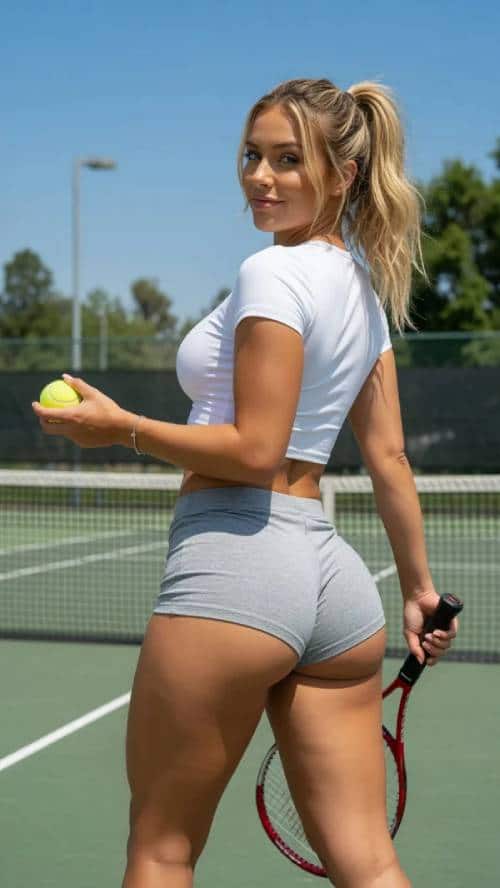
Start your prompt and let our platform route it to the best engine. Need flawless text? Switch to GPT Image 2 with one click. Need that exact character in a different city? Switch to Nano Banana 2 in the same workflow. Stop fighting the limitations of a single model. Use the platform that gives you the industry's best tools, right where you need them.